“These are the toys of Nature; and her sport
Of little estimate in Reason’s eye:
And they who reason, with abhorrence see
Man, for such gaudes and baubles, violate
The sacred freedom of his fellow man”
– Beachy Head, 1806, Charlotte Smith.
Ropes, fishing lines, latex, found objects, paper, and plastic trash are transformed into fossilized collages. Bennett-Kagan’s Flotsam and Jetson series presents landscapes, but not in the traditional sense: these are not peaceful or idealized representations of nature, as one might find in Old Masters’ painting. Instead, they assemble the discomfort of the human footprint on the planet.
Vastus, the root of the English word waste and the title of this exhibition, captures the ocean, Biscayne Bay, and the unique environment of Miami Beach. More precisely, this body of work explores the tension between the word’s original meaning and its contemporary use, incorporating both natural and man-made found objects into the compositions.
The ocean, once associated with infinity and sublimity, is revealed here as a dumping site, a landscape shaped by ownership, neglect, and control. Bennett-Kagan challenges the concept of the sublime proposed by Kant and later developed during European Romanticism, which
sought to portray nature as morally elevating and awe-inspiring. By engaging with and ultimately disrupting this tradition, the artist exposes its failure: awe collapses into responsibility, guilt, and discomfort. Human ruins are not poetically reclaimed by nature, as in the works of Caspar David Friedrich, but stand instead as evidence of the consequences of consumerism and industrialization in contemporary society; a condition that implicates the viewer, who is no longer positioned as a distant observer but as part of the same system these landscapes expose.

Virginia Vanni
Art Curator
Location
JW Marriott Marquis Miami , 255 Biscayne Boulevard Way 1, Miami, FL, 33131, US
January 23 – February 6, 2026
Artworks
Mostrando los 10 resultados
-

Flotsam and Jetson – Untitled
-
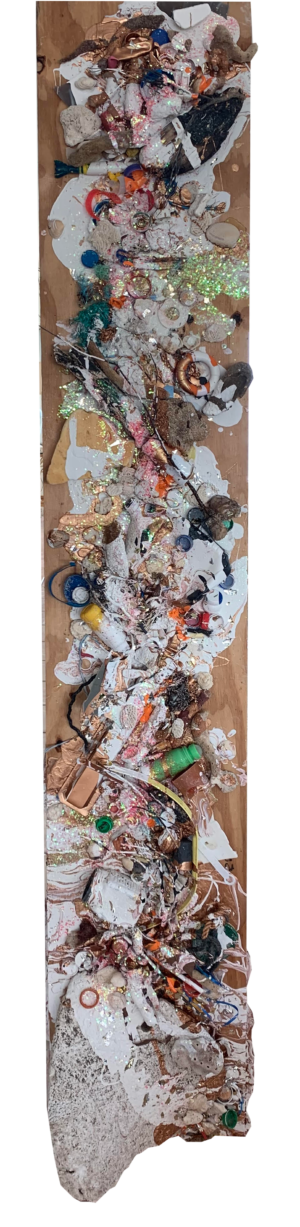
Flotsam and Jetson – Hollywood Beach
-
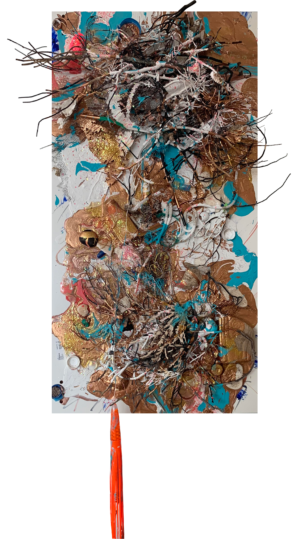
Flotsam and Jetson – Untitled
-

Flotsam and Jetson – Untitled
-
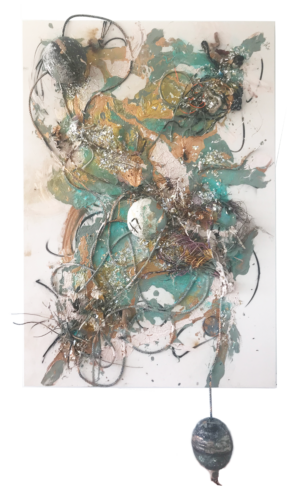
Flotsam and Jetson – Untitled
-
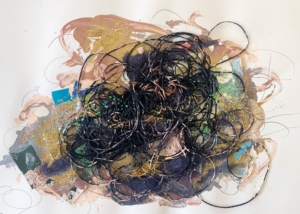
Flotsam and Jetson – Pool Party
-
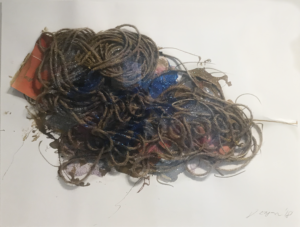
Flotsam and Jetson – Pool Party
-
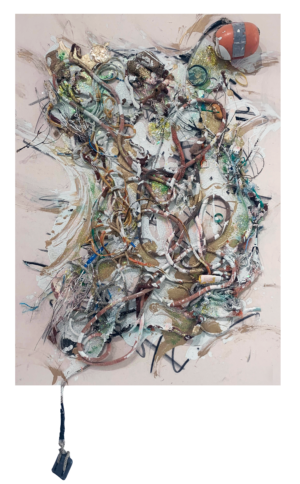
Flotsam and Jetson – Untitled
-

Flotsam and Jetson – Pool Party
-

Flotsam and Jetson – Pool Party